




Overview
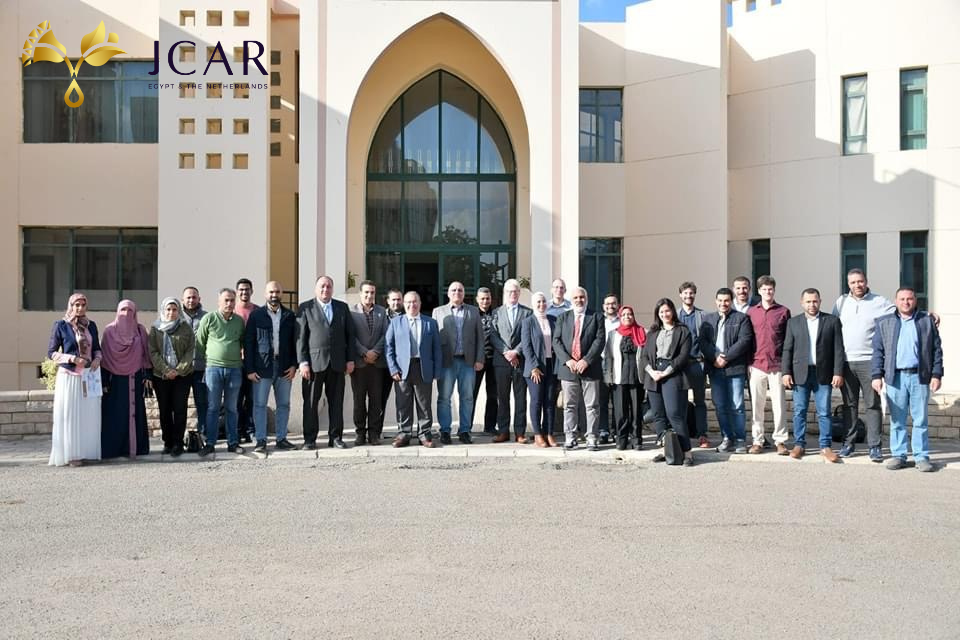
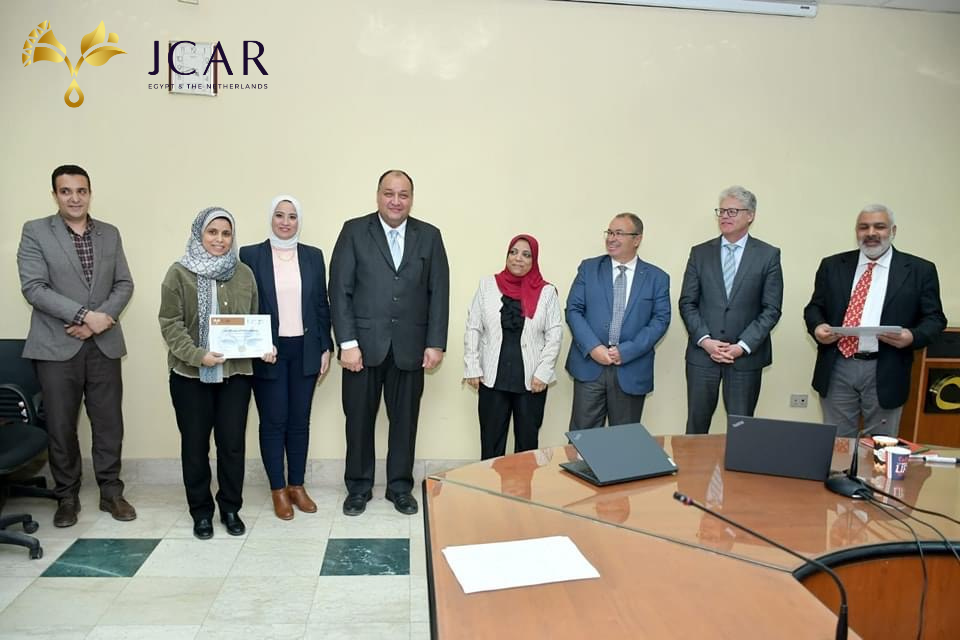
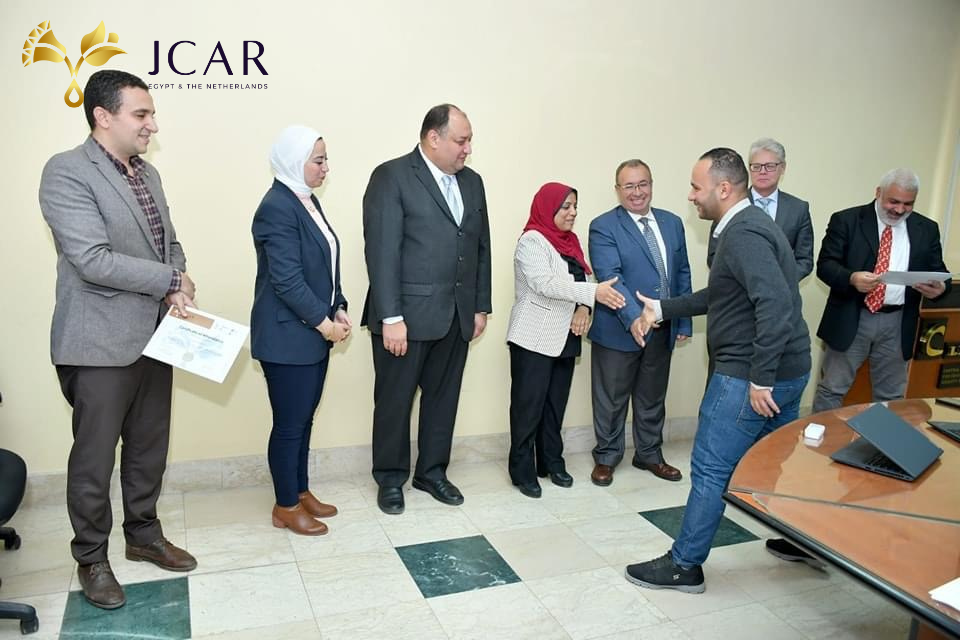
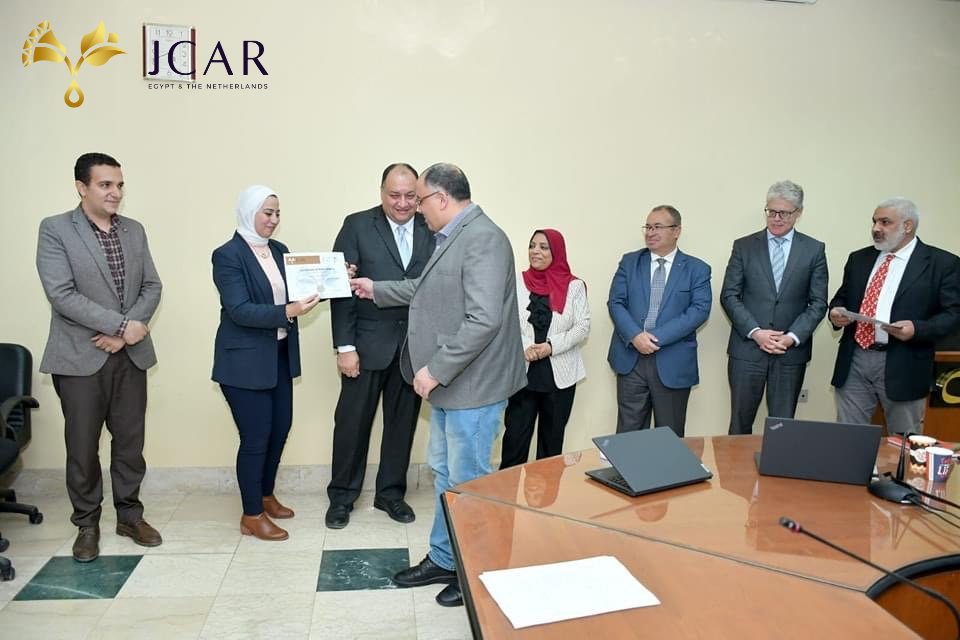
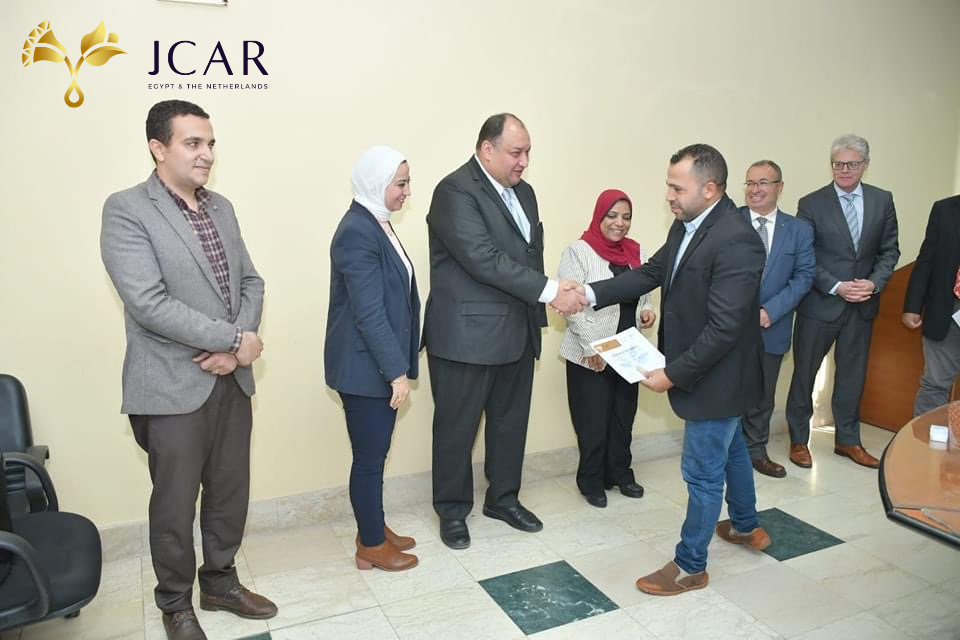
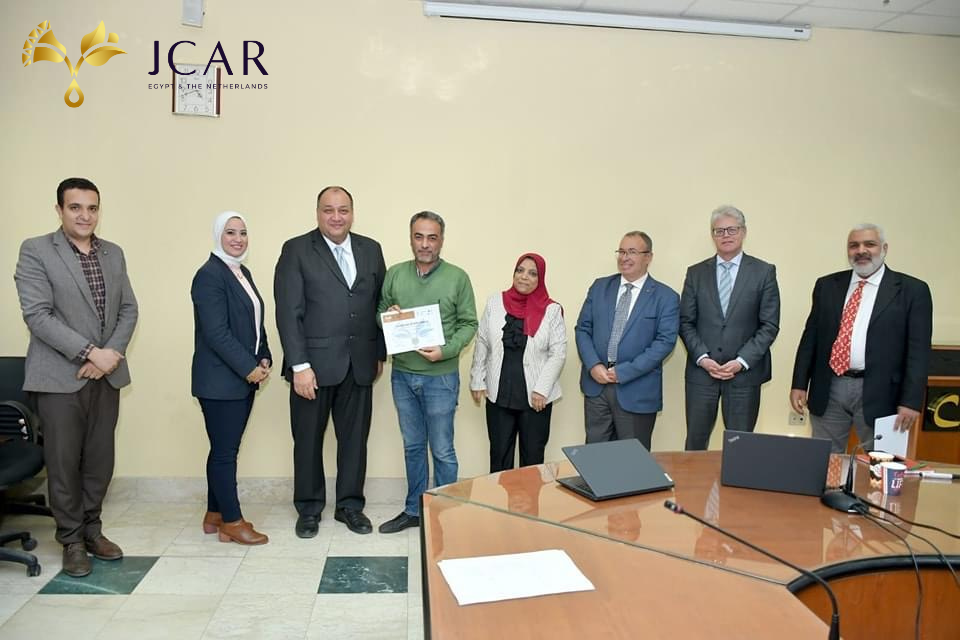
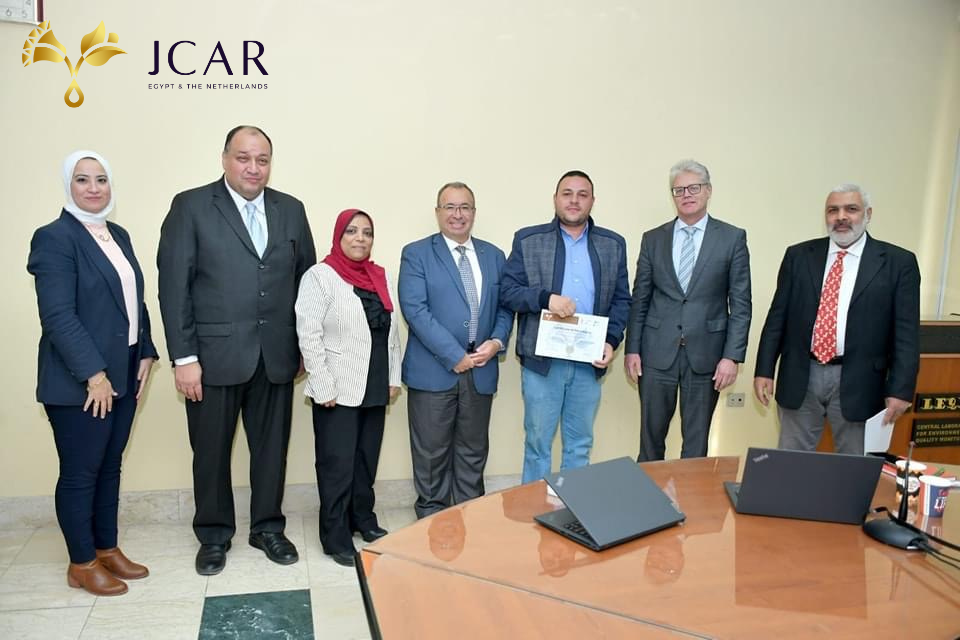
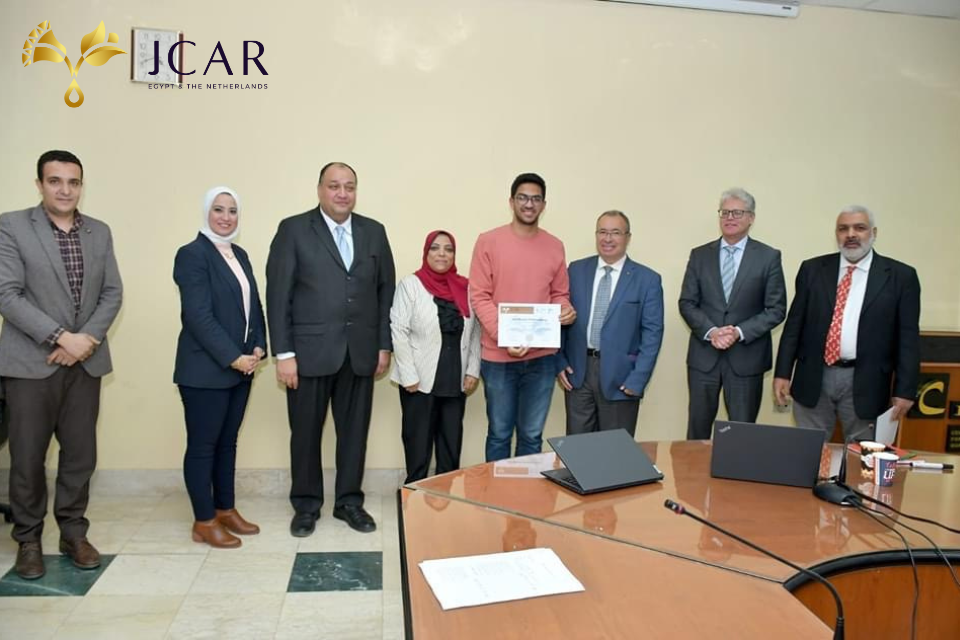
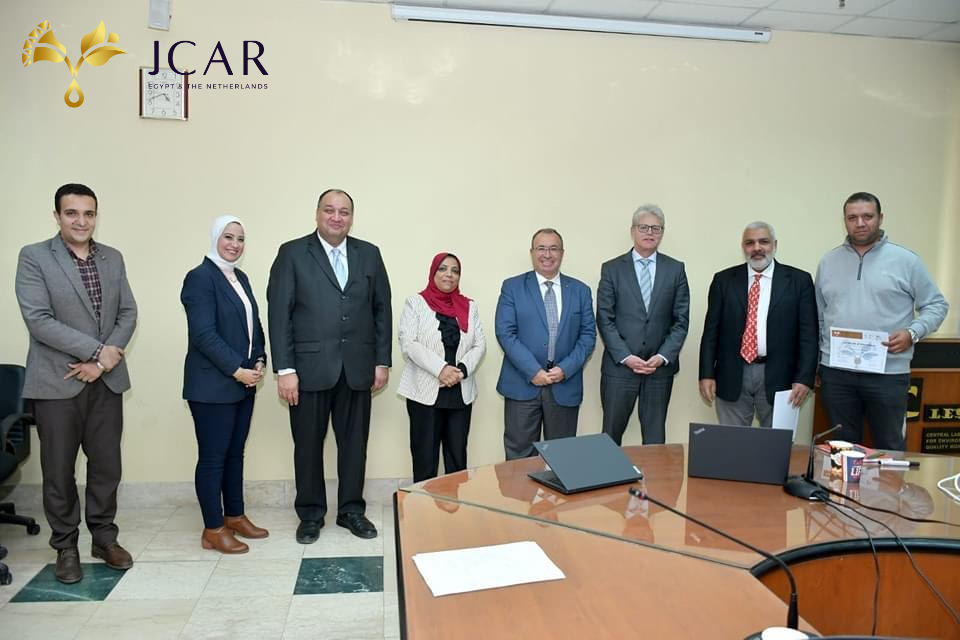
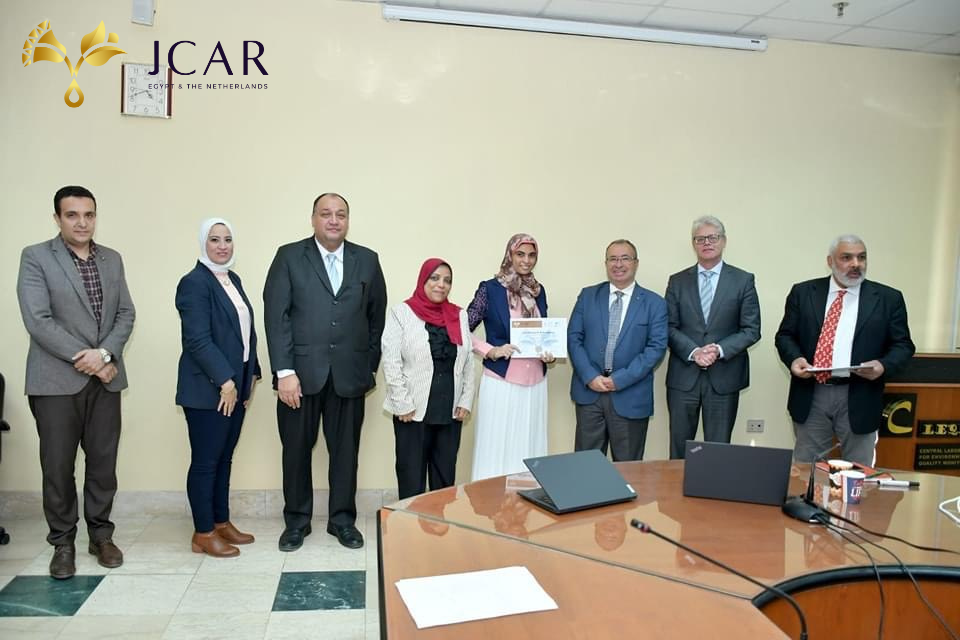
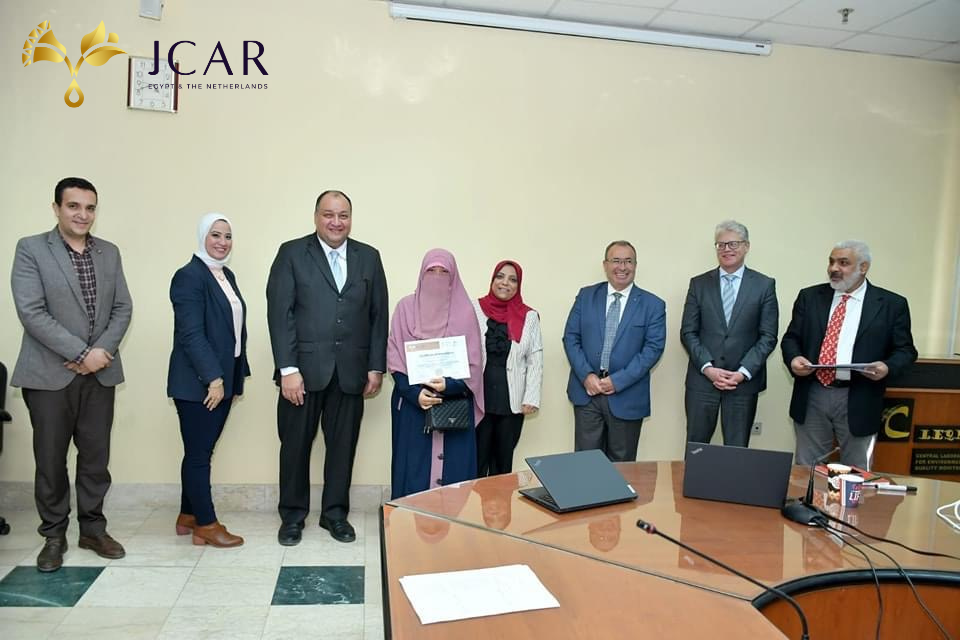
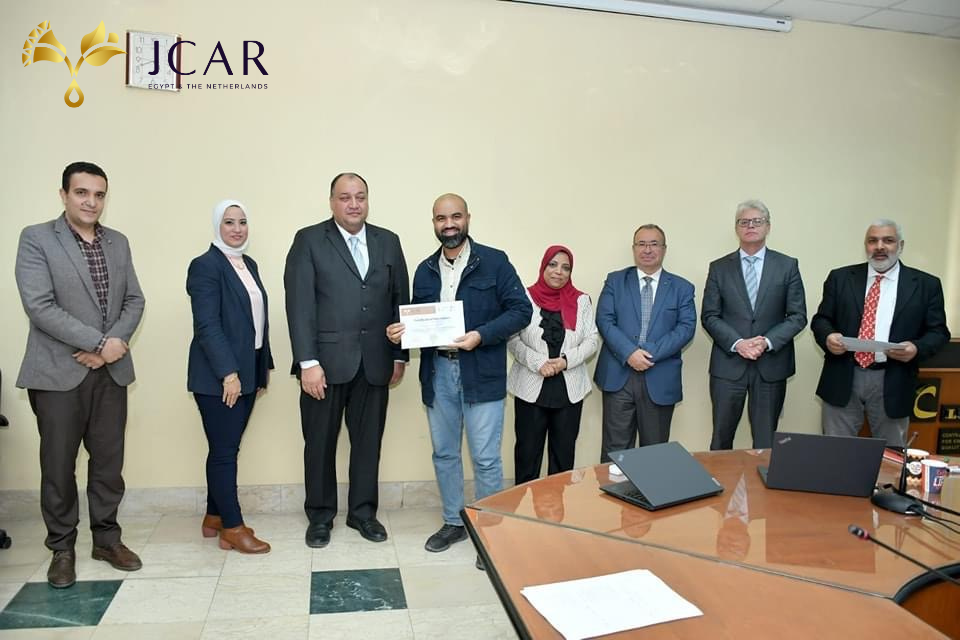
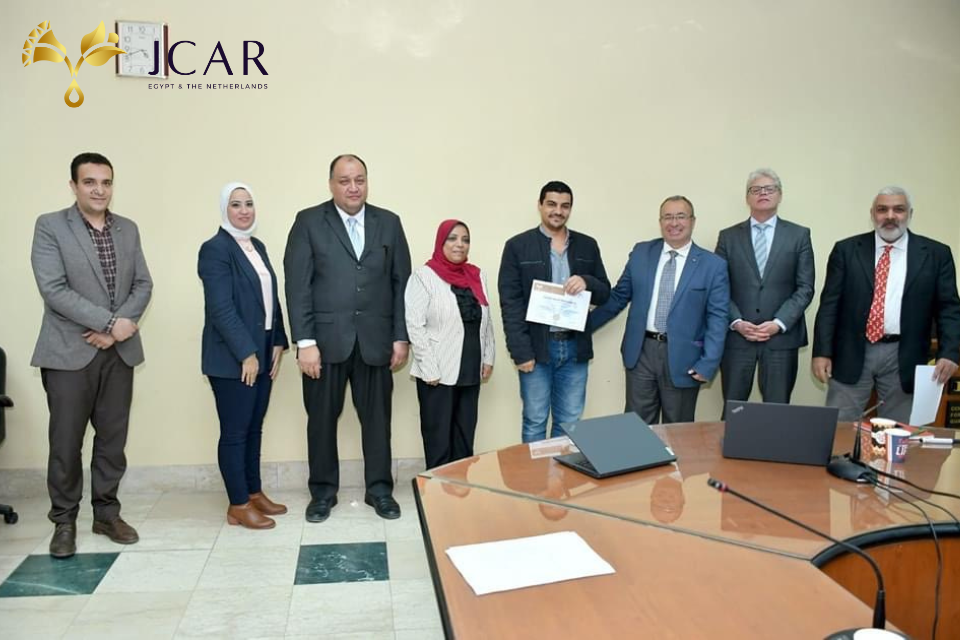
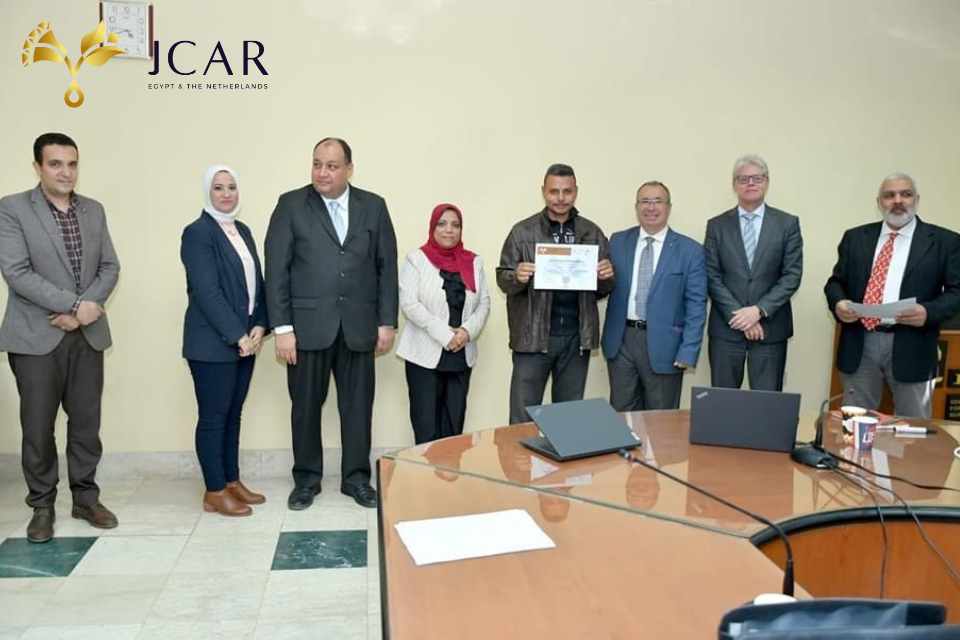
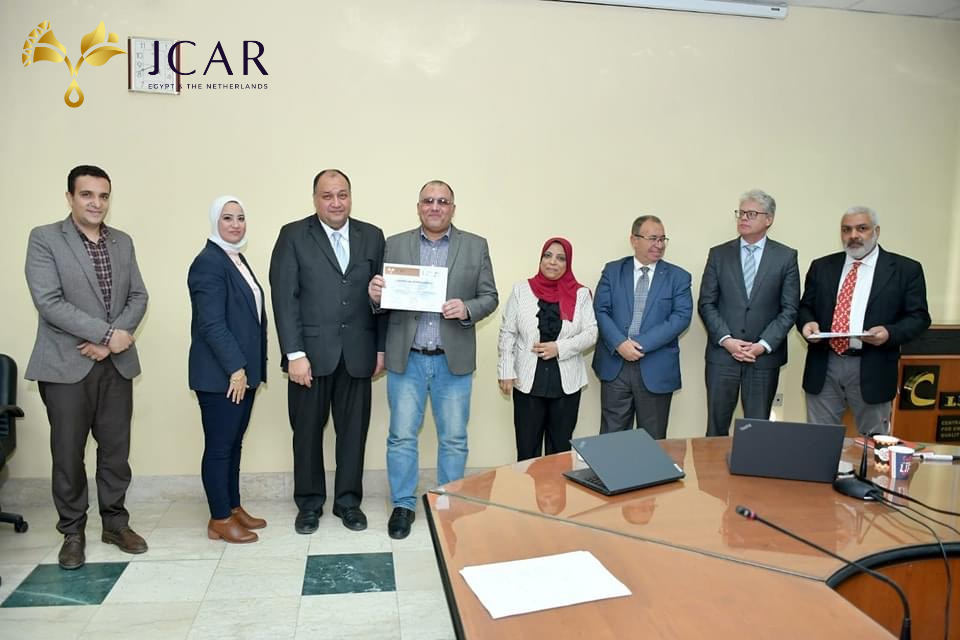
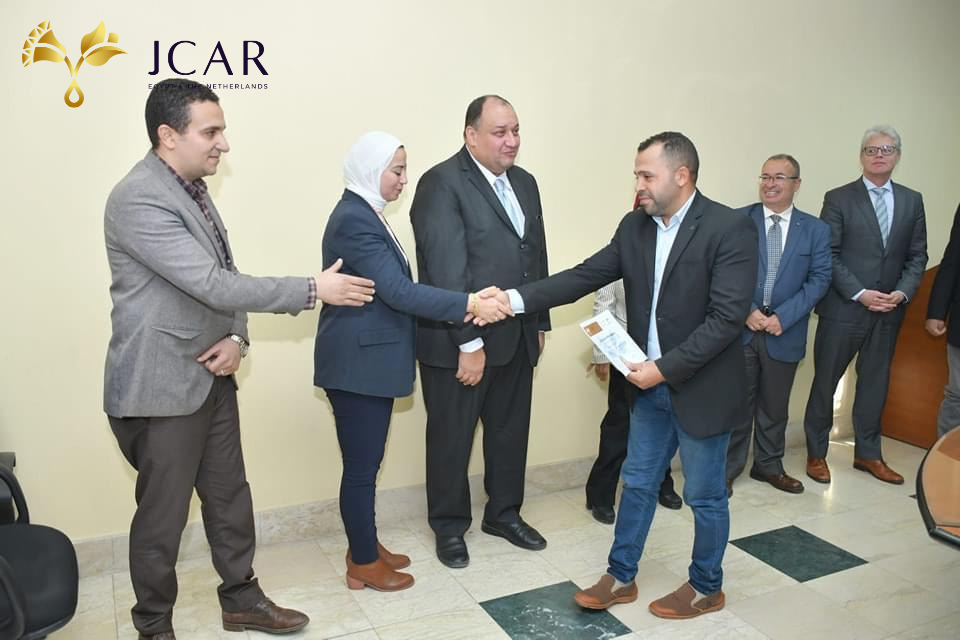
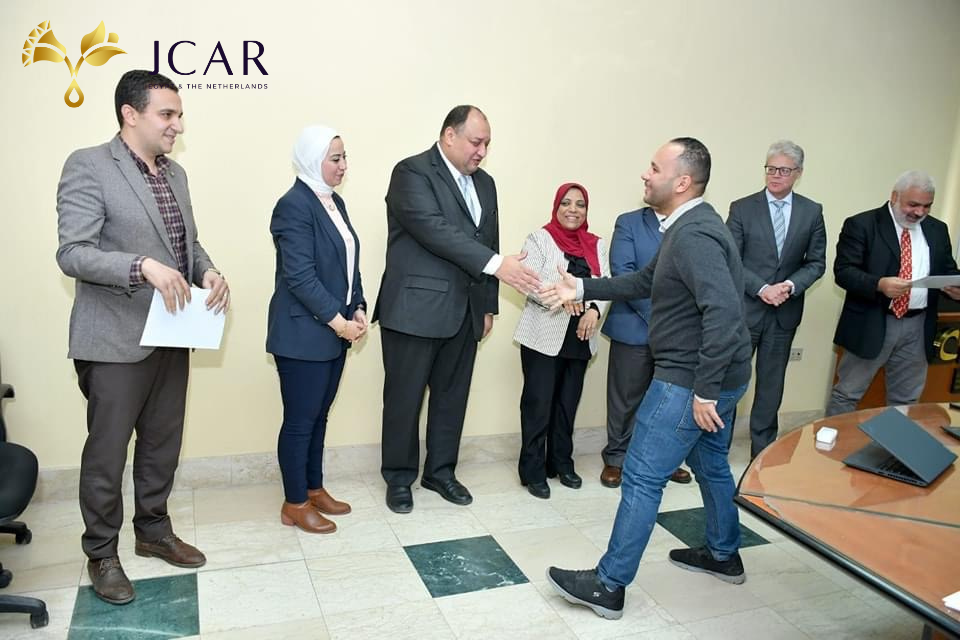
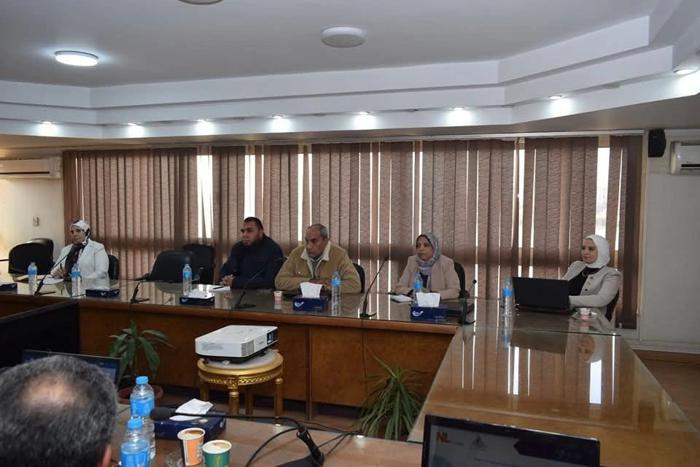
As a part of the Joint Cooperation for Applied Research (JCAR) project - A4I, a training program was held from December 10th to 14th. This initiative was a collaborative effort between the National Water Research Center (NWRC) and the Wageningen University and Research (WUR).
The training focused on the "SWAP" program, a sophisticated tool for simulating soil water movement and salinity, and its impact on crop productivity. This was in line with our objective to study the effects of transitioning from traditional flood irrigation to more efficient drip irrigation methods, particularly in terms of water and salt balance in the Delta region.
The program's key highlights included imparting essential knowledge on utilizing the SWAP program, validating several SWAP models with data from Kafr El-Sheikh Governorate, and exploring the broader application of the SWAP program in the Delta region, particularly its integration with the RIBASIM program that simulates water distribution in Egypt.
Participants included researchers from the Soil, Water, and Environment Research Institute (SWERI), engineers from the Ministry of Water Resources and Irrigation's Planning Sector (MWRI), and researchers from the Water Management and Drainage Research Institutes.
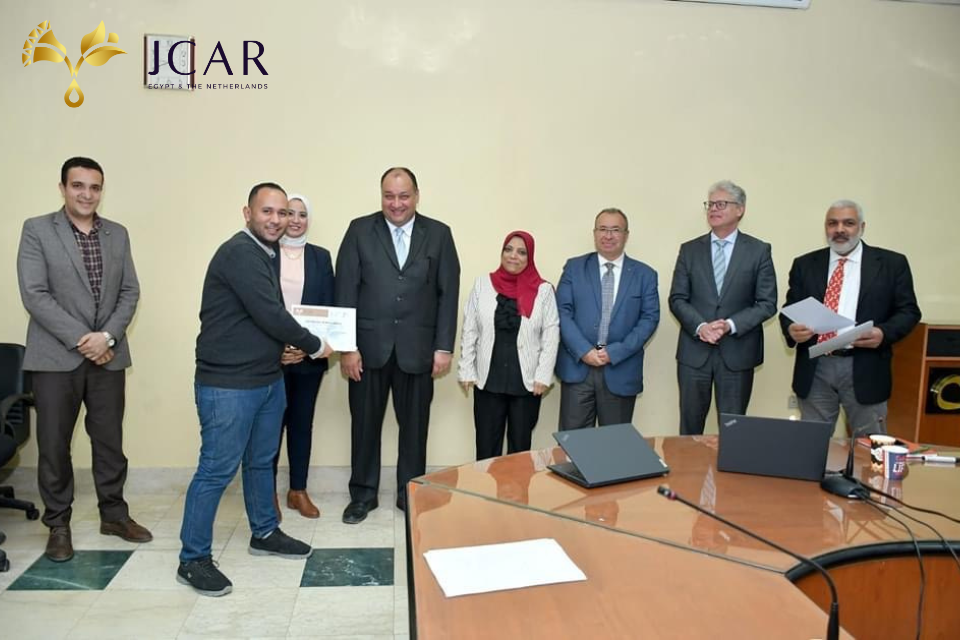
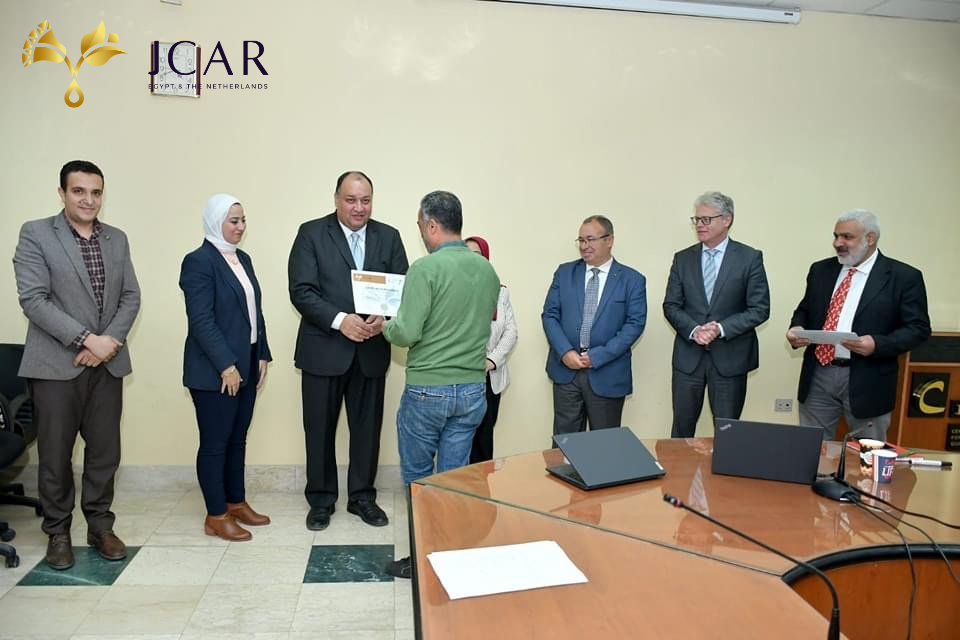
The training, held at the Capacity Building Unit of the National Water Research Center in Al-Qanatir Al-Khayriyyah, concluded with the distribution of certificates by Mr. William Oliemans, JCAR team leader, in the presence of esteemed leaders and directors from various research institutes.
We congratulate the trainees and look forward to more training programs to improve our researchers' skills in water resources and irrigation.